
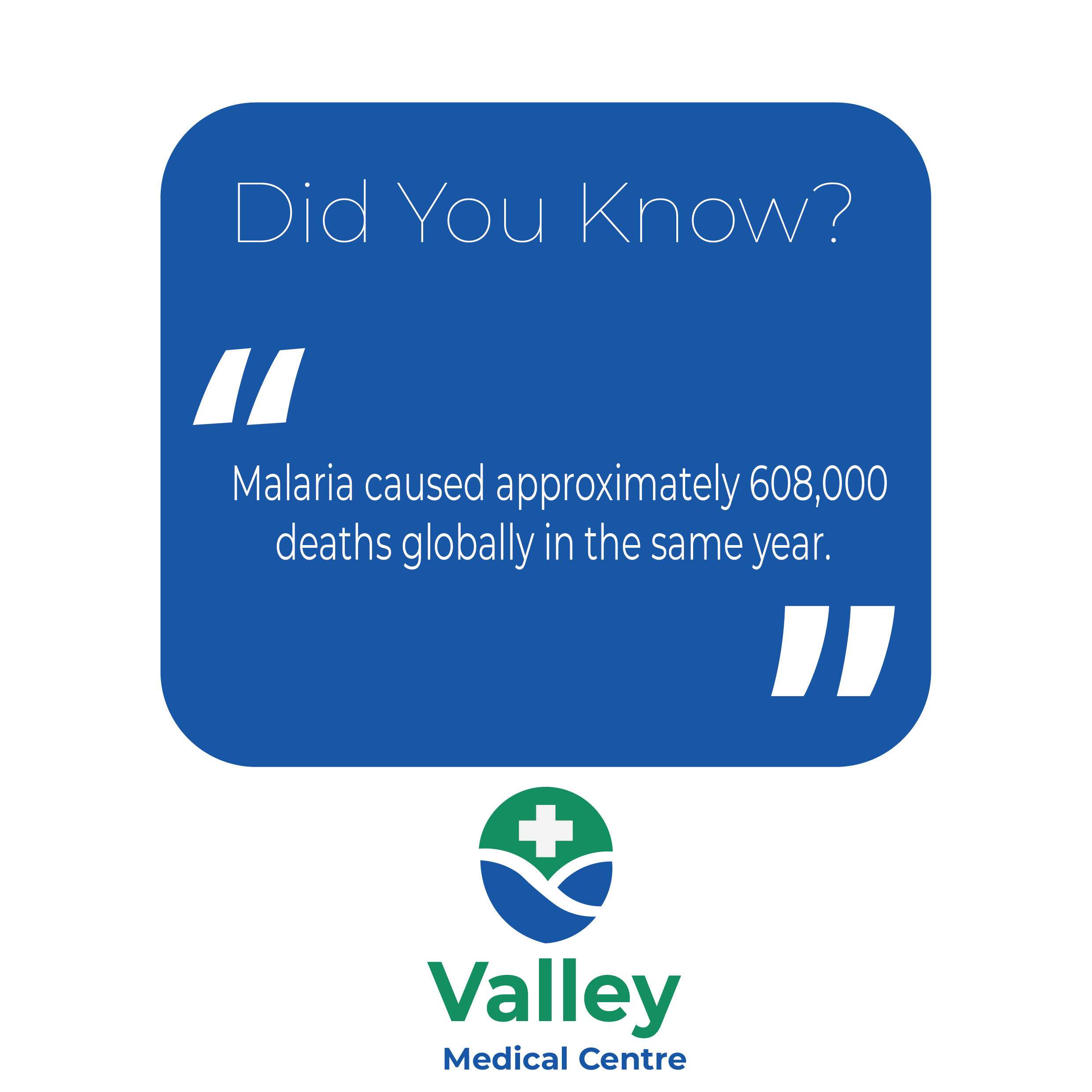
Malaria remains one of the world’s most serious public health challenges, continuing to affect millions of people every year. According to the World Health Organization, the disease caused approximately 608,000 deaths globally in a single year, highlighting just how dangerous and widespread it still is.
Despite major progress in prevention and treatment, malaria continues to claim lives—especially in regions with limited access to healthcare. The majority of these deaths occur in sub-Saharan Africa, where the disease is most prevalent and healthcare systems often face significant challenges.
What makes malaria particularly concerning is that many of these deaths are preventable. With proper measures such as insecticide-treated mosquito nets, indoor spraying, early diagnosis, and effective treatment, countless lives can be saved.
Children under the age of five and pregnant women are the most vulnerable, making protection and awareness in these groups especially critical. Every statistic represents real lives lost, families affected, and communities impacted.
Reducing malaria deaths requires a combined global effort—governments, health organizations, and individuals all play a role. By increasing awareness, improving access to healthcare, and supporting prevention programs, we can move closer to a world where malaria is no longer a leading cause of death.
Malaria may be preventable and treatable, but without action, it remains deadly.